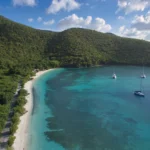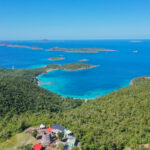
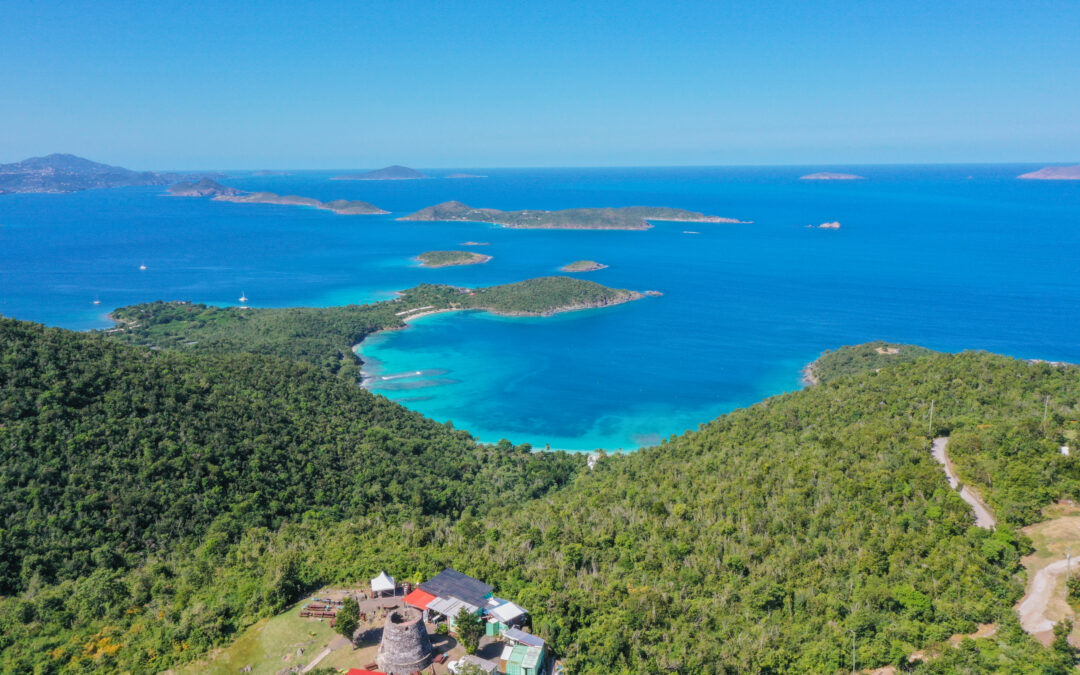
St John Virgin Islands is the smallest and greenest of the three main U.S. Virgin Islands: about 20 square miles of steep hills, quiet bays, and turquoise water, with roughly two-thirds of the land protected as Virgin Islands National Park. There’s no airport, so you fly into St. Thomas and take a short ferry over. Once you land in Cruz Bay, life slows down fast. This guide covers where St. John is, how to get here, what it costs, the beaches worth your time, where to eat, and the little things locals wish every visitor knew before day one.
Getting here by boat? See our full St John ferry schedule with times, fares and car barge info.
St John Virgin Islands at a Glance
If you only read one section, make it this one. Here are the basics, in one place.
| Fact | Details |
|---|---|
| Where it is | Eastern Caribbean, just a few miles east of St. Thomas, in the U.S. Virgin Islands |
| Size | About 20 square miles |
| Population | 3,881 (2020 U.S. Census) |
| Main towns | Cruz Bay (west, where the ferries land) and Coral Bay (east, quieter) |
| National park | Virgin Islands National Park covers about two-thirds of the island |
| Currency | U.S. dollar |
| Driving | On the left side of the road |
| Passport (U.S. citizens) | Not required; it’s a U.S. territory |
| Getting there | Fly into St. Thomas (STT), then ferry from Red Hook to Cruz Bay |
| Hurricane season | June 1 to November 30 |
Where Is St John Virgin Islands?
St. John sits in the eastern Caribbean, just east of St. Thomas and a short hop south of the British Virgin Islands. On a clear day you can look across the water from the north shore and see Jost Van Dyke and Tortola. St. Croix, the third main U.S. island, is about 40 miles to the south.
The U.S. bought the islands from Denmark in 1917, and you still see that Danish history everywhere: old sugar mill ruins on the hillsides, estate names on road signs, and stone windmill towers like the one at Estate Susannaberg. The island was a working sugar and cotton colony for generations, and Coral Bay on the east end was once its busiest harbor.
Today, St. John is famous for one big reason: in 1956, Laurance Rockefeller donated his land on the island to create Virgin Islands National Park. That’s why so much of St. John looks untouched. Hills stay green, beaches stay open to the public, and the reefs right offshore are protected too.
How to Get to St John Virgin Islands
There’s no airport on St. John, which is part of its charm. Every trip starts on St. Thomas.
- Fly into St. Thomas (STT). Cyril E. King Airport gets direct flights from several U.S. mainland cities.
- Taxi to Red Hook. Red Hook is on the east end of St. Thomas. Plan on 30 to 45 minutes depending on traffic.
- Take the passenger ferry to Cruz Bay. The crossing takes about 15 to 20 minutes, and boats run roughly every hour from early morning into the evening.
- Bringing a rental car? Car barges also run from Red Hook to Cruz Bay. Check with your rental company first, since some don’t allow their cars on the barge.
As of October 2026, the posted one-way passenger fare from Red Hook to Cruz Bay is $8.15 for non-resident adults, plus a small fuel surcharge and $4 per checked bag. Schedules change with the seasons, so check the official ferry information from the Virgin Islands Department of Public Works before you travel. For a step-by-step version with island driving tips, see our guide on how to get to The Windmill Bar from St. Thomas.
Do you need a passport?
Not if you’re a U.S. citizen. The U.S. Virgin Islands are a U.S. territory, so a government photo ID gets you here. Bring proof of citizenship for the trip home, since you’ll go through U.S. Customs at the St. Thomas airport. We break it down in where you can travel without a passport.
Getting Around the Island
St. John is small, but the roads are steep, curvy, and narrow. Two main routes cover most of what you’ll want to see:
- North Shore Road (Route 20): Runs from Cruz Bay past the famous north shore beaches, with pull-offs and overlooks along the way.
- Centerline Road (Route 10): Climbs over the spine of the island from Cruz Bay to Coral Bay, with big views in both directions. The Windmill Bar is right off this road, about 2 miles up from Cruz Bay.
Most visitors rent a jeep or SUV, and four-wheel drive is worth it for the hills. Remember, you drive on the left here, but the cars are American-style with the steering wheel on the left. Go slow, honk lightly on blind curves, and give the goats and donkeys the right of way. If you’d rather not drive, open-air safari taxis run between Cruz Bay and the beaches.
Best Beaches on St. John
This is what most people come for. Every beach on St. John is public, and many of the best ones sit inside the national park. A few favorites, west to east:
- Hawksnest Beach: One of the closest north shore beaches to Cruz Bay, with calm water and shade trees. Great for a quick first swim.
- Trunk Bay: The postcard beach, with powdery sand and an underwater snorkel trail. As of October 2026, the National Park Service charges a $5 day-use amenity fee for ages 16 and up (children under 16 are free), card or mobile payment only, open sunrise to sunset.
- Cinnamon Bay: A long, wide beach with room to spread out, plus a campground and easy access to hiking.
- Maho Bay: Shallow, calm water where people often spot sea turtles grazing on the seagrass. Easy to love with kids.
- Francis Bay: Quiet and beautiful, with good snorkeling along the rocky edges.
- Salt Pond Bay: On the southeast side past Coral Bay, a short walk from the road, and the start of the Ram Head Trail.
Go early. North shore parking fills by mid-morning in high season, and the water is usually at its calmest and clearest before the afternoon breeze picks up. For park rules, trail conditions, and current fees, the Virgin Islands National Park website is the source to trust.

Things to Do Beyond the Beach
Once you’ve had your fill of sand (if that’s possible), St. John has plenty more:
- Hike the national park. Trails range from easy shoreline walks to steep climbs. Many pass old plantation ruins and end at a beach, so pack your swimsuit.
- Snorkel and dive. Reefs sit just off many beaches. Not sure which suits you? Our snorkeling vs scuba diving guide helps you pick.
- Get out on the water. Day sails, kayak tours, and boat trips to nearby cays and the British Virgin Islands (with a passport) all leave from St. John.
- Explore Coral Bay. The east end has a laid-back, small-village feel and wide harbor views.
- Catch live music. The island has a real music scene. See St. John nightlife and live music for where to go after dark.
Want a longer list? Our local’s guide to things to do on St. John, USVI goes deeper on hikes, tours, and day trips.
When to Visit St John Virgin Islands
St. John is warm all year, so the “best” time depends on what you want.
| Season | Months | What to expect |
|---|---|---|
| High season | Mid-December to April | Driest weather, steady trade winds, busiest beaches, book rentals and cars early |
| Shoulder season | May to July | Warm, calm water, fewer crowds, easier to find a parking spot at the beach |
| Hurricane season peak | August to October | Quietest time on island, some businesses take a break, watch the forecast and get travel insurance |
| Early holidays | November to mid-December | Season ramps up, island gets festive, still a little quieter than peak |
Atlantic hurricane season officially runs June 1 to November 30. Plenty of people visit during those months with zero issues. Read when hurricane season hits the Caribbean for how to plan around it.
Where to Eat and Drink
For an island of under 4,000 people, St. John eats well. Cruz Bay is packed with spots within a few blocks of the ferry dock, from beach bars to sit-down dinners, and Coral Bay has its own easygoing places on the water. If you’re bar hopping, start with our guide to the best bars in Cruz Bay. Hungry first? Our guide to St John restaurants covers where to eat from Cruz Bay to Coral Bay.
You’ll see the Painkiller on just about every menu. It’s the unofficial drink of the Virgin Islands, and our post on the Painkiller, St. John’s signature drink tells the story.
The Windmill Bar
Up on the ridge at Estate Susannaberg, about 2 miles up Centerline Road from Cruz Bay, The Windmill Bar sits beside a stone sugar mill tower built in the 1780s. The view looks out over the bays and the islands beyond, and it’s one of the best spots on St. John to just sit and take it all in.
- Open daily 11am to 8pm, kitchen until 7:30pm, no reservations needed.
- Food: burgers, island bowls like jerk chicken and curry shrimp, fresh salads, and a mahi sandwich called Neptune’s Catch. See the full Windmill Bar menu.
- Happy hour runs 12pm to 3pm.
- House-made ice cream and old-fashioned milkshakes for dessert.
- Live music multiple nights a week, plus bingo on Sundays from 4pm to 6pm.
- Plenty to do: the estate also has a 9-hole disc golf course and a campsite.
The estate has been in the Richards family since Neptune Richards bought it in the 1940s. You can read more in the history of the Windmill Bar at Neptune’s Lookout.

What It Costs to Visit
St. John isn’t a budget island, but you can control a lot of the cost. Groceries, gas, and restaurant meals run higher than on the mainland because nearly everything arrives by boat. The good news: the best things here are free. Public beaches, national park trails, overlooks, and snorkeling straight off the sand don’t cost a dime (Trunk Bay’s $5 amenity fee is the main exception; our Trunk Bay St John guide covers how to pay).
- Book early for high season, especially villas and rental cars, which can sell out.
- Pack reef-safe sunscreen. The Virgin Islands restrict sunscreens with certain chemicals that harm coral.
- Hit happy hours and grab lunch with a view instead of a pricier dinner.
- Bring a cooler bag and a refillable water bottle for beach days.
Local Tips for Your First Trip
- Say good morning. Greeting people with “good morning” or “good afternoon” before anything else is island manners, and folks notice.
- Island time is real. Things move slower here. Lean into it.
- Watch for wildlife on the road. Donkeys, goats, deer, and chickens all share the roads.
- Leave the reef alone. Don’t stand on coral or touch the turtles.
- Carry a little cash for safari taxis and small vendors, even though most places take cards.
- Check the view before you come up. Our live cam shows you what it looks like from the ridge right now.
St John Virgin Islands FAQ
Is St. John part of the United States?
Yes. St. John is one of the three main islands of the U.S. Virgin Islands, an unincorporated U.S. territory since 1917. You use U.S. dollars, U.S. cell plans usually work, and U.S. citizens don’t need a passport.
How do I get to St. John?
Fly into St. Thomas (STT), take a taxi to Red Hook, and ride the passenger ferry about 15 to 20 minutes to Cruz Bay. There’s no airport on St. John.
Is St. John or St. Thomas better to stay on?
They’re different trips. St. John is quieter and more natural, with most of the island protected as national park. St. Thomas is bigger and busier, with the airport and more shopping. Lots of visitors stay on St. John and hop over to St. Thomas for a day, or the other way around.
Do I need a car on St. John?
It helps a lot if you want to explore beyond Cruz Bay. A four-wheel-drive jeep or SUV is the most popular choice. Safari taxis are a good option for beach days if you’d rather not drive on the left.
Is St. John expensive?
Lodging, food, and groceries cost more than on the mainland, since most goods are shipped in. But the beaches, trails, and views are free, so you can balance a splurge dinner with plenty of no-cost days.
What is the best month to visit?
For the driest weather, mid-December through April. For calm water and fewer crowds, try May through July. August through October is the quietest stretch and the peak of hurricane season.
Want a taste of the islands before you arrive? Our pina colada recipe and Painkiller guide will get you in the mood.
Come On Up
Whatever brings you to St John Virgin Islands, save an afternoon for the ridge. Grab lunch and a cold drink, catch some live music, and look out over the island from one of its best views. Check the live cam and music schedule, then find us on Centerline Road. We’re open every day from 11am to 8pm.