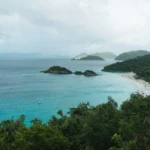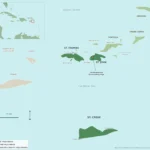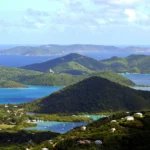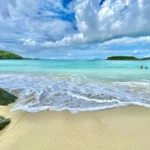
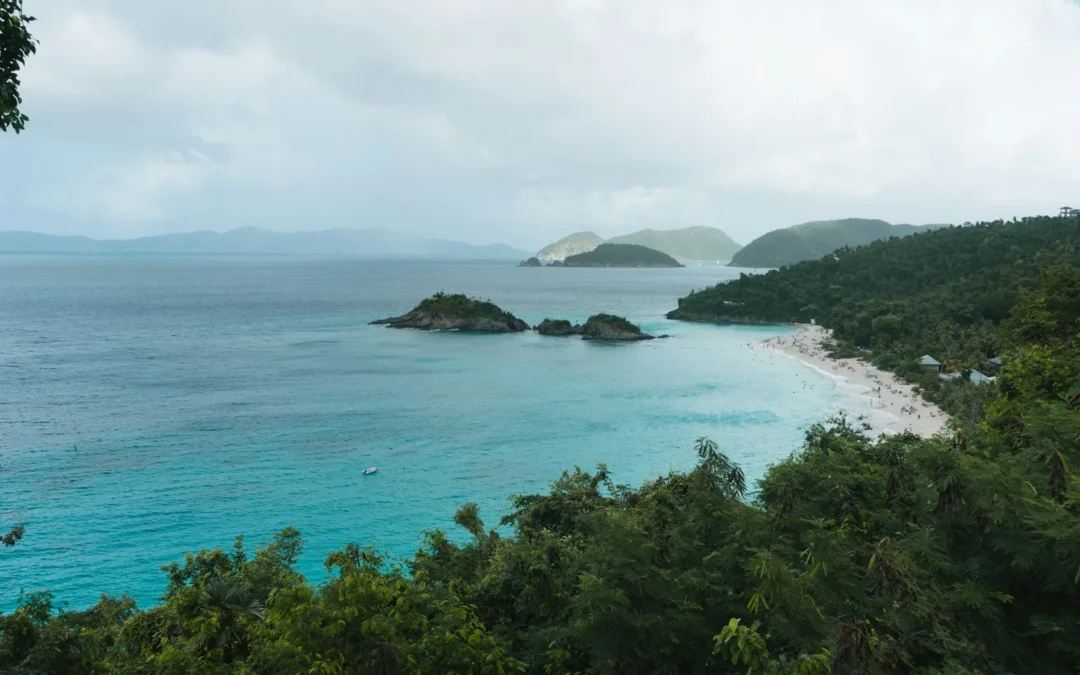
St John National Park covers about 60% of St. John, which means most of the beaches, trails and ruins you came here to see are protected land run by the National Park Service. The official name is Virgin Islands National Park, and the best news first: there is no entrance fee. The only day-use charge most visitors pay is the Trunk Bay amenity fee.
We’ve spent a lot of afternoons looking down on this park from our deck at Susannaberg, and this is the guide we’d give a friend landing on the ferry tomorrow: what the park is, what it costs, which beaches and trails are worth your time, and how to string it all together into one great day.
St John National Park at a glance
| Fact | Details |
|---|---|
| Official name | Virgin Islands National Park |
| Established | August 2, 1956 |
| Share of St. John | About 60% of the island (the boundary covers roughly 75%, minus private in-holdings) |
| Entrance fee | None |
| Trunk Bay amenity fee | $5 per person, ages 16 and up (as of November 2026) |
| Visitor center | Cruz Bay, Mon to Thu 8:15 to 4:00, Fri 8:15 to 1:30 |
| Park phone | 340-776-6201 |
| Busy season | November to April |
What is St John National Park?
The park started with a gift. In 1956, Laurance Rockefeller’s Jackson Hole Preserve donated its large St. John land holdings to the National Park Service on the condition that they stay protected from development. That’s why the north shore still looks the way it does: bay after bay of white sand and green hills with barely a building in sight.
The park also reaches into the sea. More than 5,500 acres of ocean sit inside the boundary, and in 2001 the neighboring Virgin Islands Coral Reef National Monument was created to protect even more reef and sea grass. The monument is mostly water, so you need a boat to see it.
People have lived on St. John for more than 3,000 years, according to the park service, and the land carries all of it: Taino rock carvings, Danish-era sugar estates, and the story of the 1733 Akwamu Insurrection, which the park describes as the first successful insurrection in the Caribbean. You’ll walk past that history on almost every trail.
St John National Park fees and passes
Here’s what you’ll actually pay, straight from the official NPS fees page as of November 2026:
| Fee or pass | Cost |
|---|---|
| Park entrance | Free |
| Trunk Bay amenity fee, ages 16 and up | $5 per person, sunrise to sunset |
| Trunk Bay with Senior or Access Pass | $2.50 |
| Overnight mooring | $26 per night ($13 with Senior or Access Pass) |
| Interagency Annual Senior Pass | $20 |
| Interagency Lifetime Senior Pass | $80 |
| Access, Military and Fourth Grade passes | Free |
Two things trip people up. First, Trunk Bay went cashless on October 1, 2026, so bring a card or phone wallet. Second, the Cruz Bay Visitor Center only takes credit cards for passes. Every other beach in the park is free to walk onto.
The best beaches in St John National Park
The north shore is a string of bays along North Shore Road, each a few minutes’ drive from the next. Here’s how they compare:
- Trunk Bay. The famous one, with the underwater snorkel trail, snorkel gear and chair rentals, and a food vendor. It’s the only beach with a fee. Our full Trunk Bay St John guide covers parking and timing.
- Cinnamon Bay. Long, wide and great for families, with kayak, paddleboard, snorkel and chair rentals, a food vendor and the campground behind the beach. See our Cinnamon Bay St John guide.
- Honeymoon Beach. Reachable on foot from Cruz Bay in about 1.5 miles, with a food vendor once you get there.
- Maho Bay. Calm, shallow water right beside the road, with sea grass beds where turtles are a common sight. Concessions here are run outside the park.
- Waterlemon Cay. One of the park’s top snorkel spots, reached by a short walk past Annaberg along Leinster Bay.
- Salt Pond Bay. Down on the quieter southeast side, a good snorkel and the starting point for the Ram Head Trail.
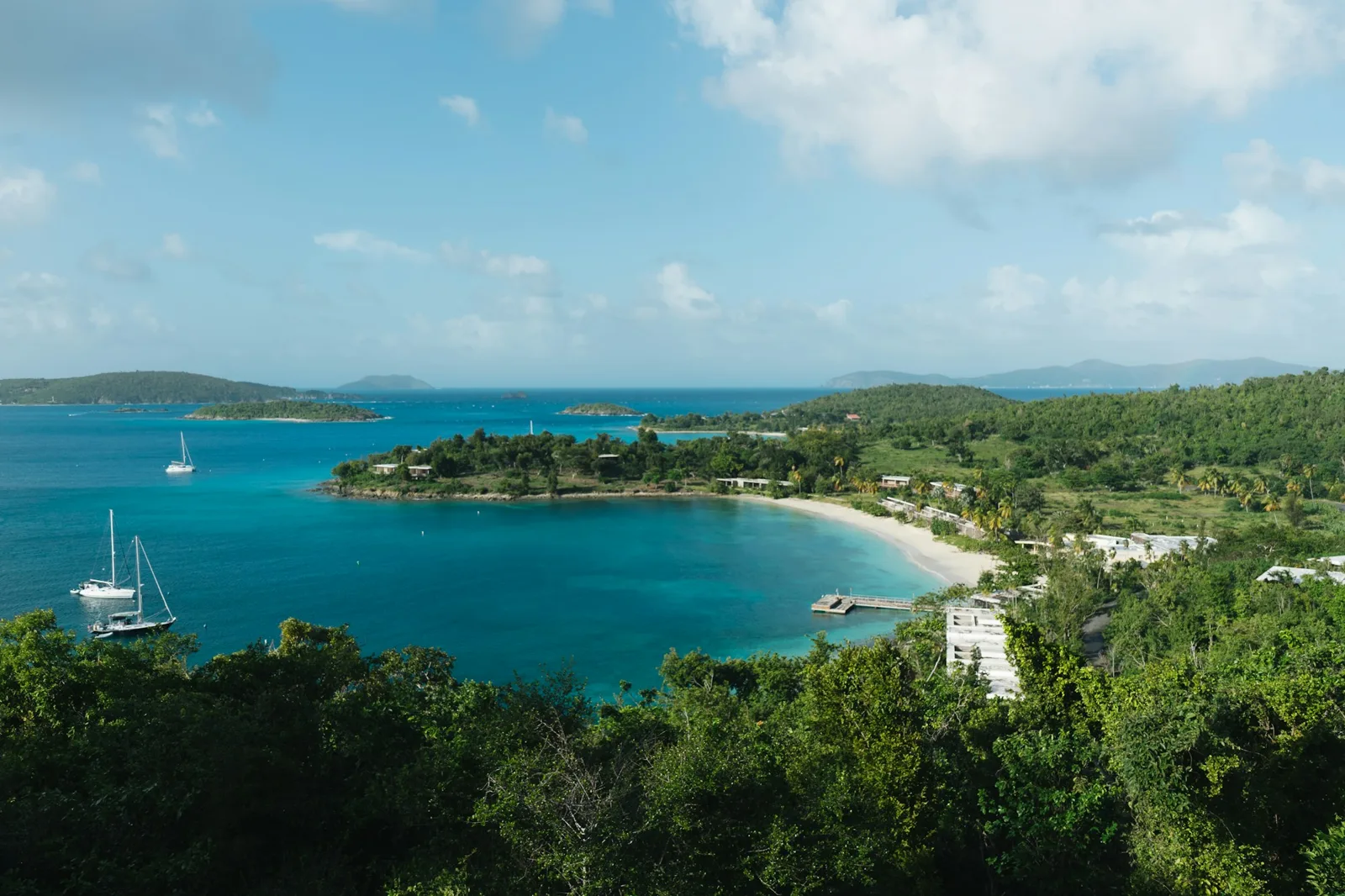
The park lists Trunk Bay, Maho, Waterlemon Cay and Salt Pond as its most popular snorkeling spots. Some have coral reefs and others have sea grass beds, so it’s worth trying more than one.
Snorkeling in St John National Park
A lot of St John National Park is underwater, and you don’t need a boat to see it. Wade in at any of the north shore beaches and you’ll be over reef or sea grass within a few kicks. Trunk Bay and Cinnamon Bay both rent snorkel gear on the beach, so you can show up with just a towel.
A few habits make the water better for everyone. Float over the coral rather than standing on it, keep your fins up off the bottom, give turtles and rays plenty of room, and use the reef-safe sunscreen the park asks for. If you’re deciding between a mask and a full dive trip, our snorkeling vs scuba diving guide breaks it down.
Hiking trails in St John National Park
You don’t need to be a serious hiker to enjoy the trails here. Some are flat loops under half a mile. Others are steep, hot hikes down to the sea. A few good ones, from easy to bigger days:
| Trail | What you get | Effort |
|---|---|---|
| Cinnamon Bay Nature Loop | Shaded loop through sugar factory ruins, under 1/2 mile | Easy |
| Francis Bay Trail | Bird-filled salt pond and beach, under 1/2 mile | Easy |
| Lind Point to Salomon Beach | Starts in Cruz Bay, 1.4 miles to a quiet beach | Moderate |
| Cinnamon Bay Trail | Climb to the America Hill ruins with views of Maho Bay, Francis Bay and Mary’s Point | Moderate |
| Ram Head Trail | Rocky coastline and open views over the Caribbean Sea, from Salt Pond Bay | Moderate, hot and exposed |
| Reef Bay Trail | Downhill through forest to Taino petroglyphs (a 0.25 mile spur) and an old sugar mill near the beach | Strenuous on the way back up |
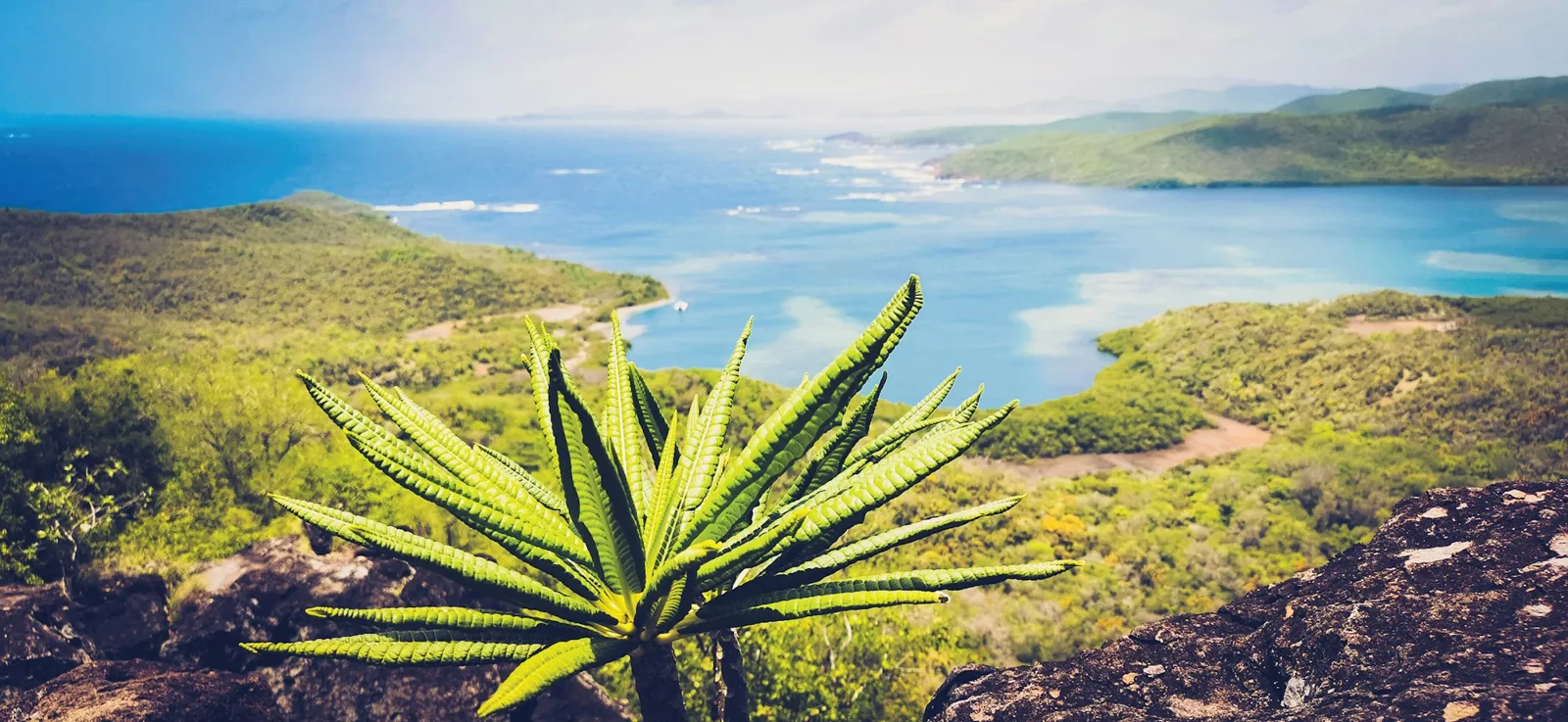
The park’s own rule of thumb on its hiking page is at least half a gallon of water for every four hours on the trail. Wear shoes with real grip, since rocks get slick after a shower, and tell someone your route because cell service drops out on a lot of trails.
Reef Bay is the classic. The Friends of Virgin Islands National Park run seasonal guided hikes down the trail that finish with a boat ride back to the visitor center, which saves you the long climb out.
History you can walk through
St John National Park protects more ruins than most visitors expect. A few worth planning around:
- Annaberg sugar plantation. A partly restored sugar factory and stone windmill on the north shore, with wide views across to the British Virgin Islands.
- Reef Bay petroglyphs. Taino carvings on rock pools by a seasonal waterfall, listed on the National Register of Historic Places in 1982.
- America Hill. Hilltop ruins at the top of the Cinnamon Bay Trail, with big north shore views.
- Cinnamon Bay sugar factory. Right on the nature loop and easy for little legs.
Visiting the ruins of St John National Park is free. One ask from the park: don’t climb on the historic structures, and leave anything you find where it lies.
Getting around the park
There’s no airport on St. John, so you’ll fly into St. Thomas and take a ferry to Cruz Bay first. Our St. John ferry schedule post has the details. From Cruz Bay you have three options:
- Rental car or Jeep. The easiest way to hop between beaches. Parking at every beach and trailhead is limited, so arrive early and use marked spots only.
- Taxi. Open-air taxis run to the north shore beaches from Cruz Bay.
- Vitran bus. Runs hourly along Centerline Road, according to the park service.
Hikers can leave a car at the Cruz Bay Visitor Center lot and walk straight onto the Lind Point Trail. Visitor center hours as of November 2026 are Monday to Thursday 8:15 to 4:00 and Friday 8:15 to 1:30. Grab a park brochure and a passport stamp while you’re there.
Tips for visiting St John National Park
- Go early. November to April is busy season, and the north shore lots fill early.
- Pack reef-safe sunscreen. The park asks for it, and the reefs here are the whole reason the monument exists.
- Bring a card. Trunk Bay is card or mobile pay only.
- Don’t snack off the trees. The park warns against eating unknown fruits, nuts or berries along the trails.
- Never hike or swim alone, and lock valuables out of sight.
What to pack for a park day
- At least half a gallon of water per person for every four hours outside
- Reef-safe sunscreen, a hat and a light long-sleeve layer
- Shoes with real grip for the trails, plus sandals for the beach
- Mask and snorkel if you have your own, or a card for rentals
- Snacks and a small trash bag so nothing gets left behind
- A card or phone wallet for the Trunk Bay fee
If you’re new to the island, our St. John Virgin Islands guide and the list of things to do on St. John fill in the rest of your trip.
A one-day plan for St John National Park
- Morning: Walk the Lind Point Trail from the Cruz Bay Visitor Center to Salomon or Honeymoon Beach for an early swim.
- Late morning: Drive North Shore Road and pick your beach: Trunk Bay for the snorkel trail, Cinnamon for rentals, Maho for calm water.
- Early afternoon: Annaberg ruins, then snorkel Waterlemon Cay if you have energy left.
- Late afternoon: Head up Centerline Road to The Windmill Bar at 17A Susannaberg, two miles above Cruz Bay. We’re open daily 11am to 8pm with the kitchen going until 7:30, and there’s live music most days, steel pan at lunch and a band in the late afternoon.
From our ridge you can look out over the hills of the park you just spent the day in. Check the menu, see who’s playing on the live cam and music schedule, or get directions to the bar.
St John National Park FAQ
Does St. John have a national park?
Yes. Virgin Islands National Park covers about 60% of St. John, including most of the north shore beaches, Reef Bay and Ram Head.
Is there an entrance fee for St John National Park?
No. Entry is free. Trunk Bay charges a $5 amenity fee for anyone 16 and older as of November 2026, and it’s card or mobile pay only.
What is the best beach in the park?
Trunk Bay is the most famous for its snorkel trail. Cinnamon Bay is the easiest for families with rentals, and Maho Bay has calm, shallow water right off the road.
Do I need a car to visit the park?
It helps, but it isn’t required. Taxis run from Cruz Bay, the Vitran bus runs hourly on Centerline Road, and you can hike to Salomon and Honeymoon beaches straight from town.
Can you camp in Virgin Islands National Park?
Yes, seasonally. Cinnamon Bay Campground is inside the park, and reservations go through Cinnamon Bay Resort and Campground.
When is the best time to visit St John National Park?
December through April brings the driest weather and the biggest crowds. Go early in the day any time of year for easier parking and calmer water.